Functional Biology
Reproduction
Most of the Rissoidae family are gonochoric, meaning that individuals are separate sexes (Ruppert,et al. 2004). The gonad (either ovary or testies) are located in the spirals of the visceral mass. Males have a penis which sits behind the right eye in all Rissoidae species (Ponder, 1985).The female genitalia vary greatly between genera of the Rissoidae and are therefore used as a defining characteristic between some species (Ponder,1985). Majority of the Rissoid family show internal fertilisation at the female’s posterior end (Ponder, 1985). Egg capsules have been described as circular to lens shape with a thin outer covering (Ponder, 1985). Numerous surfaces have been observed for egg laying, including rock, algae and seagrass (Ponder,1985).
Some genus’s, such as Voorwindia, demonstrate development with a planktotrophic larvae, while others have been shown to use direct development (Ponder, 1985). Species that undergo direct development generally lay fewer eggs of larger size than species which have planktotrophic larvae (Ponder, 1985). This is because the species that undergo direct development have eggs with higher yolk content (Ponder, 1985).
Mini Experiment:
20 of the Rissoidae individuals were collected from the aquarium and placed in an 8cm petrie dish with some plant matter. The petrie dish was left for a week, with small water changes done on a daily basis to keep the population alive. After a week the sample was carefully observed to spot any eggs or juveniles. This was successful with eggs found at two different stages, as well as juveniles. The eggs and juveniles were found on the plant matter left in the petrie dish. These were measured and placed under compound microscopes for better detail (egg; figure 9 & juveniles; figure 10). This demonstrates that the unidentified Rissoidae species is direct developing and has a fast reproduction cycle which explains its success in colonizing areas. This is a major characteristic that seperates the unidentified species from the genus Voorwindia which produce planktotrophic larvae.
Eggs were found at a size of 0.22-0.25mm with settled juveniles from 0.3mm.
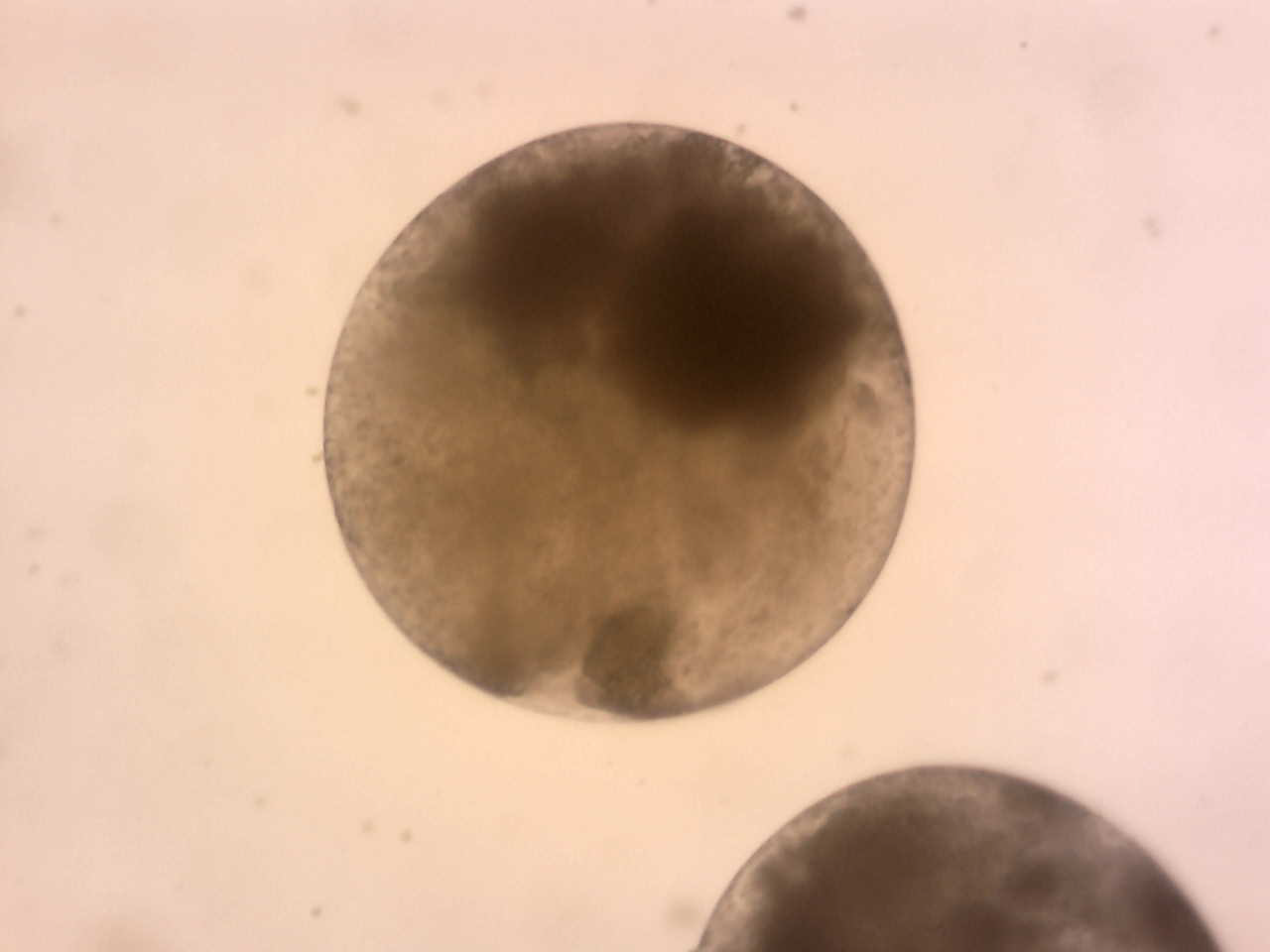 Figure 9: Shows eggs from the unidentified Rissoidae
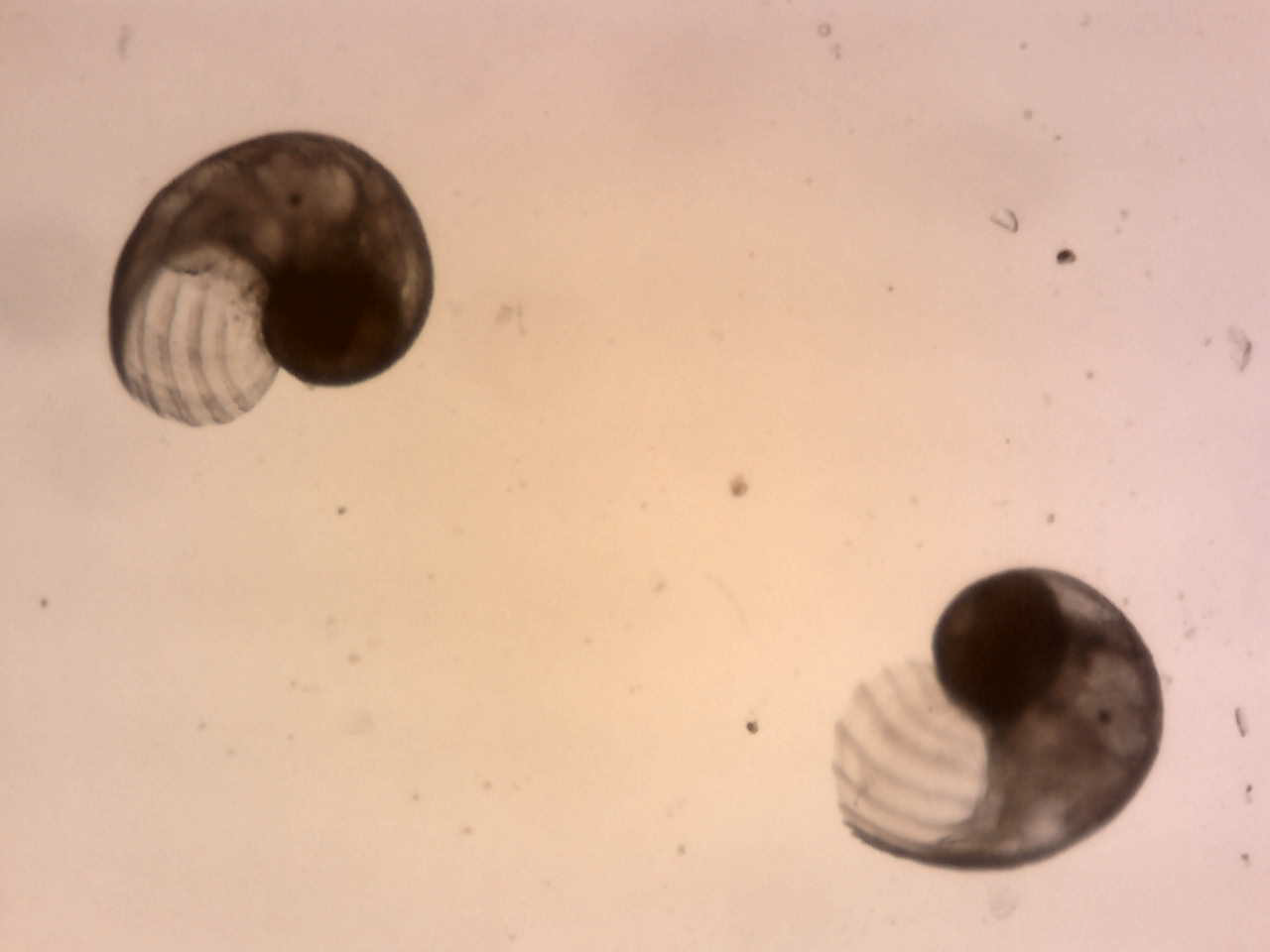 Figure 10: Shows juveniles of the unidentified Rissoidae species.
Diet:
The main diet of Rissoid members is the microalgae and diatomaceous films that live on macro algae surfaces (Ponder, 1985). This explains the shallow distribution of most species in this family. Ponder (1985) describes that some deep-sea and some shallow-water species are selective deposit feeders. A number of species have also been found to eat foraminifera; however, their stomach contents showed this was not their only food source (Ponder, 1985).
Respiration:
A generalized molluscan gill consists of a central axis, which encloses nerves, blood vessels and muscle (Ruppert,et al. 2004). From the axis two staggered rows of gill filaments arise, this is known as a bipectinate gill (Ruppert,et al. 2004).However, members of the mesogastropoda have lost their right gill, making them monopectinate (Ruppert,et al. 2004; Ponder, 1985).Cilia on the remaining gill filament creates counter current water flow past the gills, allowing for gas exchange from high oxygen content (water) to low oxygen content (Blood – hemolymph) (Ruppert,et al. 2004). From here the oxygenated blood is moved to the atrium before being distributed through the body (Ruppert,et al. 2004).The figure below is a replicate from Ruppert,et al. (2004), it demonstrates the blood flow in a mesogastropod. The figure provides a visual representation of the counter current gill respiration, with links to the rest of the circulatory system.
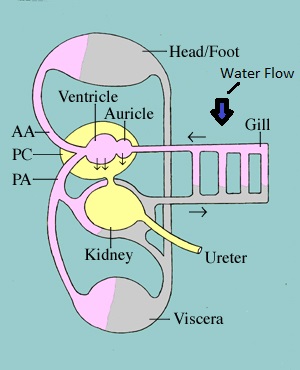 Figure 11: Demonstrates the circulatory system of a mesogastropod, showing how the gill is orientated to water current. Sourced from: The Archered shell collection of Washington State Universities Natural History Museum.
|